
Park Ridge Brush Removal Services
Choose our expert brush removal services for fast, thorough clearing that enhances your property's safety, curb appeal, and value—handled by a trusted local team committed to your satisfaction.
Get a Free QuoteOur Park Ridge Landscaping & Yard Care Services
When to Schedule Brush Removal in Park Ridge, IL – Seasonal Guide
In Park Ridge, IL, the best times for brush removal are typically late spring and early fall. These periods align with the region’s climate patterns, allowing homeowners to clear away winter debris before new growth begins, or to prepare landscapes for the colder months ahead. The city’s proximity to the Des Plaines River and the presence of mature tree canopies in neighborhoods like Uptown and South Park mean that brush can accumulate quickly, especially after spring storms or autumn leaf drop.
Local environmental factors such as the average last frost date in late April, summer humidity, and the clay-heavy soils common in Park Ridge all play a role in determining optimal service timing. Areas with dense shade, like those near Hodges Park, may require more frequent attention due to slower brush decomposition. Additionally, municipal guidelines and seasonal restrictions can impact when and how brush removal is performed—residents are encouraged to review the City of Park Ridge Official Website for up-to-date information on local ordinances and collection schedules.
Local Factors to Consider for Brush Removal in Park Ridge
- Tree density and species (e.g., mature oaks and maples in historic districts)
- Terrain and soil type (clay soils may retain moisture, affecting brush breakdown)
- Seasonal precipitation and risk of drought
- Shade coverage and sun exposure
- Proximity to parks, rivers, or flood-prone areas
- Municipal restrictions on brush disposal and collection dates
- Neighborhood-specific guidelines or homeowner association rules
Benefits of Brush Removal in Park Ridge
Enhanced Curb Appeal
Improved Lawn Health
Reduced Pest Infestations
Increased Usable Space
Fire Hazard Reduction
Professional and Efficient Service
Park Ridge Brush Removal Types

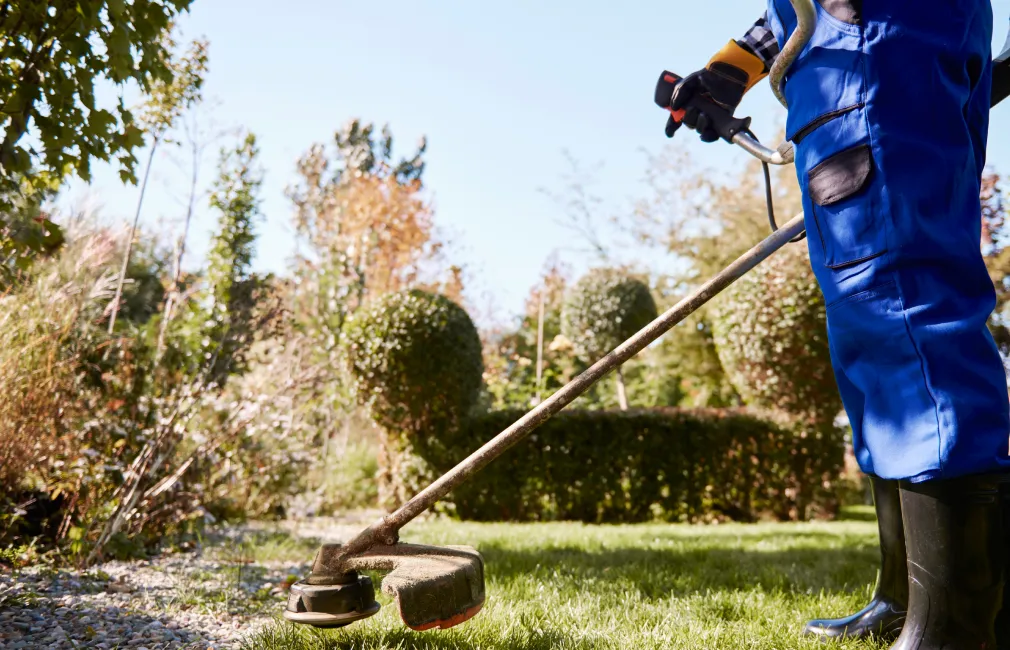
Manual Brush Clearing
-
Mechanical Brush Removal
-
Selective Brush Thinning
-
Brush Mowing
-
Stump Grinding
-
Chipping and Mulching
-
Lot and Land Clearing
Our Brush Removal Process
Site Evaluation
Safety Preparation
Brush Clearing
Debris Removal
Final Inspection
Why Choose Park Ridge Landscape Services
-
Park Ridge Homeowners Trust Us
-
Expert Lawn Maintenance
-
Reliable Seasonal Cleanups
-
Competitive Pricing
-
Professional Team
-
Satisfaction Guarantee
-
Personalized Service
Contact Park Ridge’s Department of Public Works for Brush Disposal & Municipal Chipping Programs
Park Ridge offers comprehensive brush disposal programs to support responsible vegetation management and environmental compliance. Residents can utilize seasonal curbside yard waste collection, typically available from April through November. Bundles must be under 4 feet in length, weigh less than 50 pounds, and be tied with biodegradable twine—plastic is strictly prohibited. Yard waste drop-off sites are available with posted hours; residents may need a permit or sticker, while commercial contractors must follow fee structures for bulk loads. Municipal chipping services are coordinated through the Department of Public Works and, where available, the Park District, with finished mulch often provided to residents. All brush must be separated from leaves and free of contaminants, in compliance with the Illinois Environmental Protection Act (415 ILCS 5). Never place brush in household trash or on the street, as this can impact the Lake Michigan watershed and result in penalties. For more information, contact:
Park Ridge Department of Public Works
505 Butler Place, Park Ridge, IL 60068
Phone: (847) 318-5240
Official Website: Park Ridge Public Works Department
Park Ridge Fire Department Coordination for Open Burning Permits & Safety Requirements
Open burning of brush is highly regulated in Park Ridge and throughout Cook County, with many municipalities prohibiting or strictly limiting this practice. Where burning is permitted, residents must obtain a daily permit from the Fire Department and adhere to strict safety requirements, including minimum setback distances from structures (often 50-150 feet), constant supervision, and immediate access to water or fire extinguishers. Only clean, dry brush may be burned—leaves, treated wood, and plastics are prohibited. Burning is subject to weather restrictions, including red flag warnings and county-wide bans coordinated with the National Weather Service Chicago. Always check for current restrictions before burning and follow all local, county, and state air quality standards. For permit information and safety guidelines, contact:
Park Ridge Fire Department
901 Devon Avenue, Park Ridge, IL 60068
Phone: (847) 318-5286
Official Website: Park Ridge Fire Department
Understanding Brush Types, Invasive Species & Specialized Disposal in Park Ridge’s Heavy Clay Soils
Park Ridge’s brush management must address both native and invasive species, with buckthorn (Rhamnus cathartica, Frangula alnus) dominating many understories, along with bush honeysuckles (Lonicera spp.), multiflora rose (Rosa multiflora), and autumn olive (Elaeagnus umbellata). Invasive species require specialized removal and disposal: remove before fruit set (June-September), bag all berries, and dispose of material at a landfill—never compost or chip for mulch. Equipment must be sanitized between sites to prevent disease spread. Hazardous vegetation such as poison ivy, wild parsnip, and tick habitats require protective measures. Restoration with native species (serviceberry, viburnum, prairie grasses) supports ecosystem health and aligns with local conservation goals. For guidance on invasive species and restoration, consult the Illinois Department of Natural Resources and Cook County Forest Preserve District.
Park Ridge Environmental Commission Requirements for Brush Removal Near Wetlands & Protected Areas
Brush removal near wetlands, streams, or protected areas in Park Ridge is subject to oversight by the Environmental Commission and Sustainability Board. Permits may be required for work within 10-25 feet of sensitive habitats, and all activities must comply with local tree preservation ordinances and Illinois environmental regulations. Wildlife protection is critical during the April-August breeding season, requiring surveys for nesting birds, bat roosts, and active dens. Erosion control is essential on slopes and heavy clay soils, using silt fencing or erosion control blankets to prevent sediment runoff. Selective removal techniques should preserve beneficial habitat features and support ecological restoration. For permit requirements and environmental guidance, contact:
Park Ridge Sustainability Commission
505 Butler Place, Park Ridge, IL 60068
Phone: (847) 318-5200
Official Website: Park Ridge Sustainability Commission
Professional Safety Standards, Equipment Requirements & Utility Coordination (JULIE 811) for Brush Removal
Professional brush removal in Park Ridge requires adherence to strict safety and certification standards. Complex removals should be performed by ISA Certified Arborists, with all operators trained in equipment safety (chainsaws, chippers, brush hogs) and compliance with ANSI Z133.1 standards. Personal protective equipment (PPE) is mandatory, including chainsaw chaps, gloves, eye and hearing protection, and steel-toed boots. Before any excavation or stump removal, contact JULIE 811 - Call Before You Dig at least 48-72 hours in advance to locate underground utilities. Contractors must carry comprehensive liability insurance (minimum $1M per occurrence), workers’ compensation, and bonding for municipal work. For utility safety and professional standards, consult:
Park Ridge Community Preservation and Development Department
505 Butler Place, Park Ridge, IL 60068
Phone: (847) 318-5291
Official Website: Park Ridge Community Preservation and Development Department
Seasonal Timing, Wildlife Protection & Weather Coordination for Park Ridge’s Climate Zone 5a-6a
Optimal brush removal timing in Park Ridge’s Zone 5a-6a climate is during winter (December-March) when the ground is frozen, minimizing soil compaction and wildlife disturbance. Early spring (March-April) is suitable before nesting season, while late fall (October-November) is ideal after breeding concludes. Avoid major removal from May-August to protect nesting birds and wildlife. Monitor weather using National Weather Service Chicago forecasts—avoid work during high winds (over 20-25 mph) or saturated clay soils to prevent rutting. Fire weather awareness is essential, especially during droughts or red flag warnings. Always conduct wildlife surveys before work and document any protected species encounters.
Post-Removal Site Restoration & Stormwater Management in Compliance with Park Ridge’s MS4 Program
After brush removal, immediate site stabilization is required to protect the Lake Michigan watershed under Park Ridge’s MS4 permit and the Clean Water Act. Erosion control measures—such as mulching, silt fencing, and erosion control blankets—are critical for exposed clay soils. Restore sites with native Illinois species adapted to local conditions, and amend compacted soils with organic matter as needed. During construction, stage equipment away from sensitive areas and contain all debris. Long-term management includes monitoring for invasive regrowth (especially buckthorn), maintaining restored areas, and using herbicides only as permitted by the Illinois Department of Agriculture - Pesticide Regulations. For water quality and restoration guidance, consult Illinois EPA Water Quality & Watershed Management.
Storm Debris Management & Emergency Response Coordination with Park Ridge
Severe weather events in the Chicago area often generate significant brush and storm debris. Park Ridge coordinates emergency collection through the Department of Public Works, with announcements via city communications. Residents must separate organic brush from construction debris and place materials at the curb without blocking streets. Priority is given to emergency routes and major thoroughfares, with extended collection hours or temporary drop-off sites as needed. For major disasters, FEMA coordination may be required, including documentation for federal assistance and temporary debris storage. Safety protocols include traffic control, utility clearance (ComEd), and coordination with Police and Fire Departments. For emergency procedures, contact:
Park Ridge Police Department
200 Vine Avenue, Park Ridge, IL 60068
Phone: (847) 318-5252
Official Website: Park Ridge Police Department
What Neighborhoods Do We Serve Throughout Park Ridge, IL?
Park Ridge encompasses diverse neighborhoods, each with unique brush management needs:
- Uptown and historic districts: Mature tree canopies, dense buckthorn understories, overhead utilities, and narrow streets require careful equipment access and invasive management.
- South Park and Manor: Proximity to forest preserves increases invasive pressure and fire risk during droughts; wetland buffers require permit coordination.
- Northwest Park: Newer developments with less invasive pressure but strict HOA landscaping standards and deed restrictions.
- Carpenter and Field School areas: Heavy clay soils, high water tables in spring, and drainage challenges affect timing and equipment use.
- Country Club and Dee Road: Higher property values and aesthetic expectations, with alley collection logistics and mature vegetation.
- Park Ridge Estates: Planned communities with conservation easements, requiring coordination with environmental commissions and strict disposal protocols.
- Proximity to Cook County Forest Preserve District: Buffer zone management and wildlife habitat protection are critical.
Park Ridge Municipal Ordinances for Brush Removal Equipment Operation & Commercial Service Standards
Park Ridge enforces municipal ordinances governing brush removal equipment operation and commercial service standards. Equipment operation is typically allowed from 7 AM to 9 PM on weekdays and 8 AM to 9 PM on Saturdays, with possible restrictions on Sundays—always verify current regulations. Commercial contractors must be licensed, carry comprehensive insurance, and comply with public safety requirements, including traffic control and emergency vehicle access. Noise restrictions and enforcement procedures are managed through Code Enforcement. All operations must comply with local, county, and state environmental and safety regulations, supporting community safety and environmental stewardship. For ordinance details, consult the city’s official resources.